





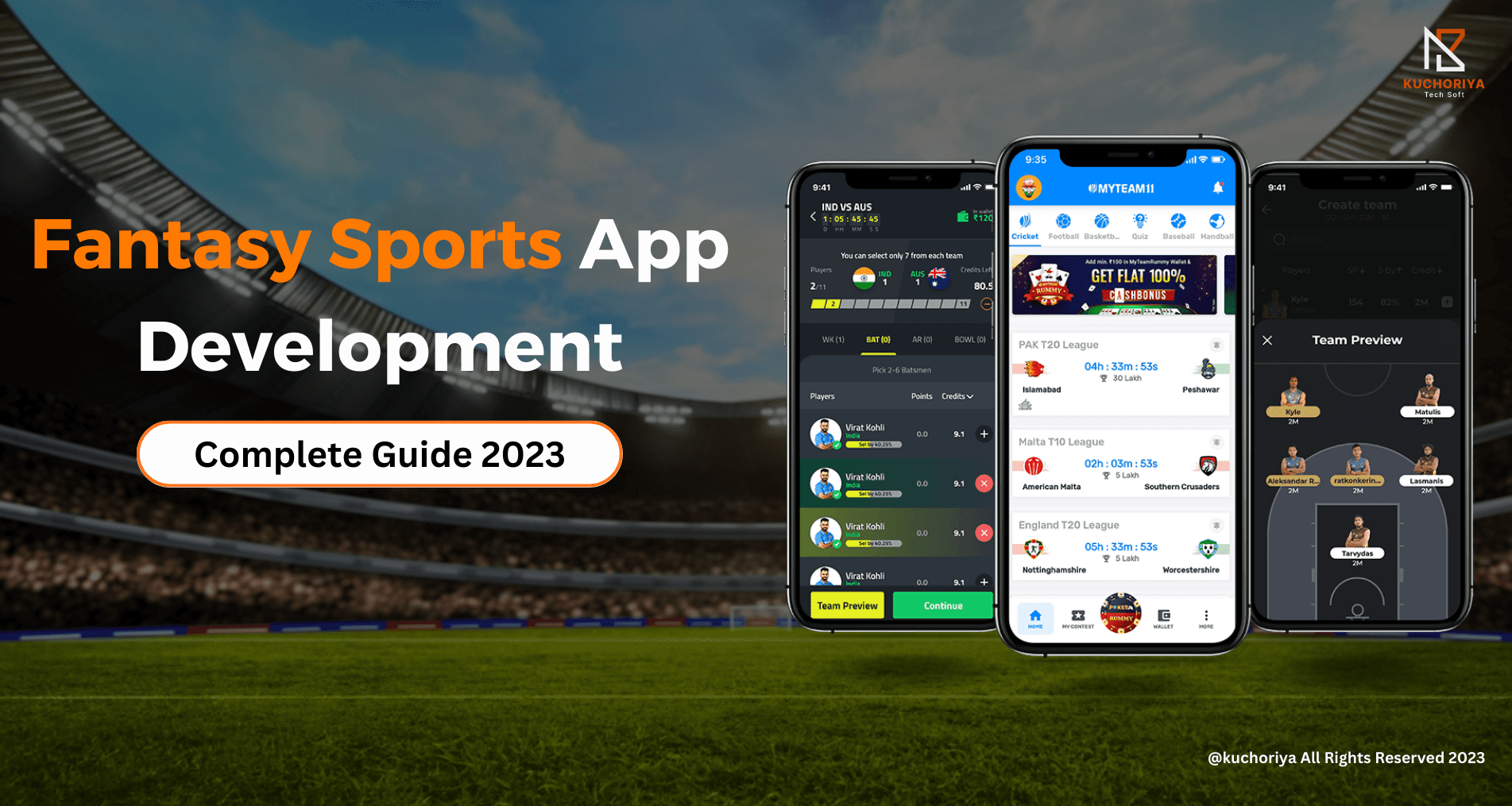
In recent years, fantasy sports have transformed from a niche pastime into a global phenomenon, and the fantasy sports app market is booming. As we enter 2025-26, the demand for fantasy sports apps is higher than ever before. In this comprehensive guide, we will take you through the complete process of developing a fantasy sports app, from understanding the market to the technical aspects and future trends.
1. Introduction
The Rise of Fantasy Sports
Fantasy sports have seen an unprecedented rise in popularity, allowing sports enthusiasts to immerse themselves in the world of their favorite games and players. What began as a niche hobby has evolved into a global industry, attracting millions of users and generating substantial revenue.
The Thriving Fantasy Sports App Market
The proliferation of smartphones and easy access to sports data has driven the growth of fantasy sports apps. As of 2025-26, the market is teeming with opportunities for entrepreneurs and developers looking to capitalize on this trend.
2. Understanding Fantasy Sports Apps
How Fantasy Sports Apps Work
Fantasy sports apps allow users to create their dream teams by selecting real players from specific sports leagues, such as the NFL, NBA, or soccer leagues. These virtual teams accumulate points based on the real-world performance of the chosen players in actual games. Users then compete against each other in contests or leagues, and the team with the most points wins.
The appeal of fantasy sports lies in the strategic aspects of team creation and the excitement of tracking player performances in real games. It combines sports knowledge with strategy and competition, making it a compelling experience for users.
Key Players in the Fantasy Sports Industry
The fantasy sports industry is dominated by established platforms like FanDuel, DraftKings, and Yahoo Fantasy Sports. These platforms offer a wide range of sports, contests, and prizes, setting high standards for user experience and engagement. While these giants continue to thrive, there is ample room for innovation and new entrants, particularly in niche sports, emerging markets, and unique gaming experiences.
3. Market Analysis and Opportunities in 2025-26
The Current State of the Fantasy Sports App Market
As of 2025-26, the fantasy sports app market is robust, with millions of active users worldwide. The market has expanded beyond traditional sports like football and basketball to include niche sports, esports, and international leagues. Users have a plethora of options when choosing their fantasy sports app, making competition fierce and innovation essential.
Emerging Trends and Niches
To succeed in fantasy sports app development, it's crucial to stay informed about emerging trends and niches:
Esports Fantasy Leagues: The rise of esports has led to a surge in demand for esports fantasy leagues. Gamers and esports enthusiasts are eager to create fantasy teams based on their favorite players and teams in games like League of Legends, Dota 2, and CS: GO.
Niche Sports: While major sports leagues garner significant attention, there is a growing interest in niche sports like cricket, rugby, and mixed martial arts (MMA). Developing fantasy sports apps catering to these niche markets can be a lucrative strategy.
Real-Time AR Experiences: Augmented reality (AR) is making its way into the fantasy sports arena. Imagine users being able to watch their virtual teams play against each other in an augmented-reality stadium – it's an immersive experience that's on the horizon.
Global Expansion and Localization: Fantasy sports are not limited to North America. International markets, including Europe, Asia, and Africa, offer tremendous growth opportunities. Localizing your app to cater to different languages, cultures, and sports preferences is crucial for global expansion.
Women in Fantasy Sports: Diversify your user base by targeting women in fantasy sports. Create specialized apps or features that cater to female sports fans, promoting inclusivity and expanding your market reach.
4. Essential Features of a Fantasy Sports App
Building a successful fantasy sports app requires incorporating essential features that enhance user experience and engagement. Here are some key features:
User Registration and Profile
User Registration: Allow users to create accounts using their email, social media profiles, or mobile numbers.
Profile Customization: Provide options for users to customize their profiles with avatars, bios, and favorite teams.
Preferences: Allow users to set their preferences for sports, leagues, and notification settings.
Team Creation and Player Selection
Drafting System: Implement a drafting system where users select players within a budget constraint.
Real Player Data: Integrate real-time player statistics and performance data from trusted sources.
Squad Management: Enable users to make substitutions, trade players, and manage their fantasy teams.
Live-Scoring and Updates
Real-Time Scoring: Provide live scoring updates during games to keep users engaged and informed.
Game Stats: Display detailed player and team statistics, including points, rebounds, assists, and more.
News and Updates: Offer sports news, injury updates, and analysis to help users make informed decisions.
Payment Integration
Secure Payment Gateways: Incorporate secure payment gateways to handle contest entry fees, prize distribution, and in-app purchases.
Contest Buy-Ins: Allow users to join contests with varying entry fees and prize pools.
Social Features and Community Building
Leagues and Contests: Let users create private leagues and contests to compete with friends and family.
Chat Rooms and Forums: Facilitate social interactions through chat rooms, forums, and in-app messaging.
Leaderboards: Display leaderboards to showcase top-performing users and foster competition.
5. Development Process
Developing a fantasy sports app involves a structured development process:
Market Research and Ideation
Start by conducting thorough market research to understand user preferences, competition, and market gaps. Ideate and plan your app accordingly, considering the sports, features, and target audience you want to focus on.
Design and User Experience
Design plays a pivotal role in the success of your app. Create an intuitive and visually appealing user interface (UI) that caters to both beginners and seasoned fantasy sports players. Prioritize user experience (UX) to ensure seamless navigation and engagement.
Backend Development
The backend of your app serves as the foundation, handling user data, contests, scoring, and real-time updates. Choose appropriate backend technologies and databases to ensure scalability, security, and high performance.
Frontend Development
Build the user-facing components of the app for different platforms, such as iOS, Android, and web. Whether you opt for native app development or cross-platform development, ensure consistency in design and functionality across all platforms.
Testing and Quality Assurance
Thoroughly test your app for functionality, security, and performance. Address any bugs or issues identified during testing. Additionally, consider conducting usability testing to gather user feedback and make necessary improvements.
Launch and Marketing
Once your app is ready, deploy it to app stores (e.g., Apple App Store and Google Play Store) and promote it through various marketing channels. Effective marketing and promotion are essential to acquire users and build a user base.
6. Choosing the Right Technology Stack
Selecting the appropriate technology stack is crucial for fantasy sports app development:
Backend Technologies
Programming Languages: Choose languages like Python, Ruby, or Node.js for backend development.
Framework: Consider using frameworks like Django, Ruby on Rails, or Express.js for rapid development.
Database: Opt for databases like PostgreSQL or MongoDB for data storage.
APIs: Utilize sports data APIs to fetch real-time player statistics and game updates from trusted sources.
Frontend Technologies
Mobile App Development: Opt for native app development using languages like Swift/Obj-C for iOS and Java/Kotlin for Android. Alternatively, consider cross-platform development with frameworks like React Native or Flutter.
Web Development: Use modern web technologies such as HTML5, CSS3, and JavaScript for web-based components.
Database Systems
Relational Database: Consider using a relational database management system (RDBMS) like MySQL or PostgreSQL for structured data storage.
NoSQL Database: Choose a NoSQL database like MongoDB for flexible and scalable data storage.
Hosting and Cloud Services
Hosting: Utilize cloud hosting services like AWS (Amazon Web Services), Azure, or Google Cloud for scalability, reliability, and cost-effectiveness.
Serverless Computing: Explore serverless platforms like AWS Lambda for handling backend operations efficiently.
7. Security and Privacy Considerations
Ensuring the security and privacy of user data and fair play is paramount in fantasy sports app development:
Data Security and Encryption
Implement robust data encryption to protect user information during transmission and storage. Use secure protocols like HTTPS to secure data communication between the app and servers.
User Authentication and Authorization
Implement strong user authentication mechanisms, including multi-factor authentication (MFA), to ensure that only authorized users access the app. Define clear roles and permissions to manage user access and data security effectively.
Fair Play and Anti-Cheating Measures
Detect and prevent cheating and unfair practices, such as automated lineup optimization or collusion among users. Implement measures like algorithms and real-time monitoring to ensure a level playing field for all users.
Monetization Strategies
Monetizing your fantasy sports app is essential to sustain and grow your business. Here are some common monetization strategies:
Entry Fees and Contest Prizes
Generate revenue by charging users entry fees to participate in contests. A portion of these fees can be allocated as contest prizes, incentivizing users to participate in paid contests.
Advertising and Sponsorships
Collaborate with brands, advertisers, and sponsors for advertising and promotional opportunities within the app. Display targeted ads or promote sponsored contests to generate revenue.
Premium Subscriptions and In-App Purchases
Offer premium subscription plans with added features, such as advanced analytics, exclusive contests, or ad-free experiences. Allow users to make in-app purchases for virtual goods or enhanced gaming experiences.
8. User Acquisition and Retention
Building and retaining a user base is critical for the success of your fantasy sports app:
Marketing and Promotion Strategies
Digital Marketing: Utilize online advertising, social media marketing, and search engine optimization (SEO) to reach a wider audience.
Partnerships: Collaborate with sports leagues, teams, influencers, and sports-related websites for cross-promotion and user acquisition.
User Engagement and Gamification
Gamify the Experience: Introduce elements of gamification, such as badges, achievements, and rewards, to keep users engaged and motivated.
Push Notifications: Implement push notifications to provide real-time updates, reminders, and personalized content to users.
Customer Support and Feedback
Provide responsive customer support through multiple channels, including in-app chat, email, and FAQs. Encourage users to provide feedback and address their concerns promptly to enhance user satisfaction and retention.
9. Future Trends and Innovations
To stay competitive and relevant in the ever-evolving world of fantasy sports apps, consider these future trends and innovations:
NFT Integration
Non-fungible tokens (NFTs) are gaining popularity in the sports world. Integrating NFTs into your app, such as offering digital collectibles or NFT-based contests, can attract users interested in blockchain and digital assets.
Augmented Reality (AR) Experiences
Explore the integration of augmented reality (AR) to provide users with immersive experiences. Imagine users watching their virtual teams play against each other in an AR stadium or interacting with player holograms – AR can take engagement to the next level.
Global Expansion and Localization
Consider expanding your app to international markets by localizing it to cater to different languages, cultures, and sports preferences. Internationalization can open up new revenue streams and a broader user base.
Women in Fantasy Sports
Diversify your user base by targeting women in fantasy sports. Create specialized apps or features that cater to female sports fans, promoting inclusivity and expanding your market reach.
10. Challenges and Solutions
While the fantasy sports app development landscape offers significant opportunities, it comes with its set of challenges:
Legal and Regulatory Challenges
Navigating the complex legal and regulatory landscape of fantasy sports, including gambling laws and licensing requirements, can be challenging. Consult legal experts to ensure compliance with regional and national regulations.
Competition and Differentiation
The fantasy sports app market is highly competitive, with well-established players. To stand out, focus on unique features, exceptional user experience, and targeted marketing strategies that resonate with your audience.
User Trust and Fair Gameplay
Maintaining user trust and ensuring fair gameplay are crucial for the long-term success of your app. Implement robust security measures, fair play policies, and transparent communication to build and maintain trust among your users.
11. Conclusion
The world of fantasy sports app development is dynamic, promising, and filled with opportunities in 2025-26. Whether you're a passionate sports fan, a tech-savvy entrepreneur, or a developer looking to make your mark, building a fantasy sports app can be a rewarding journey. By understanding the market, embracing emerging trends, prioritizing user experience, and staying committed to fair play and security, you can create a fantasy sports app that captivates users and contributes to the excitement of sports worldwide. So, gear up and get ready to bring the world of fantasy sports to life in 2025-26 and beyond.
Let's talk about your project: www.kuchoriyatechsoft.com